Student-Led Digital Competency Community

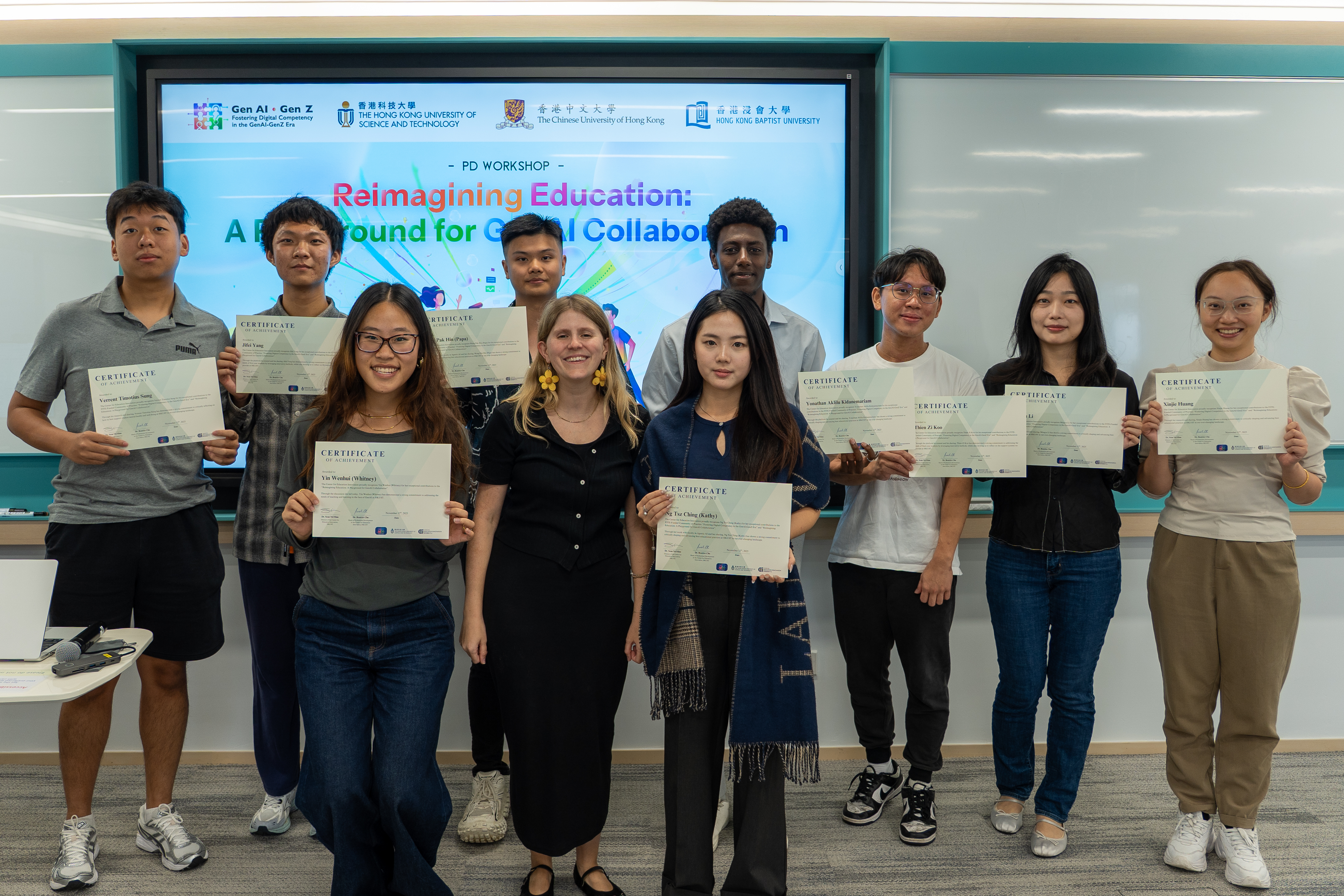
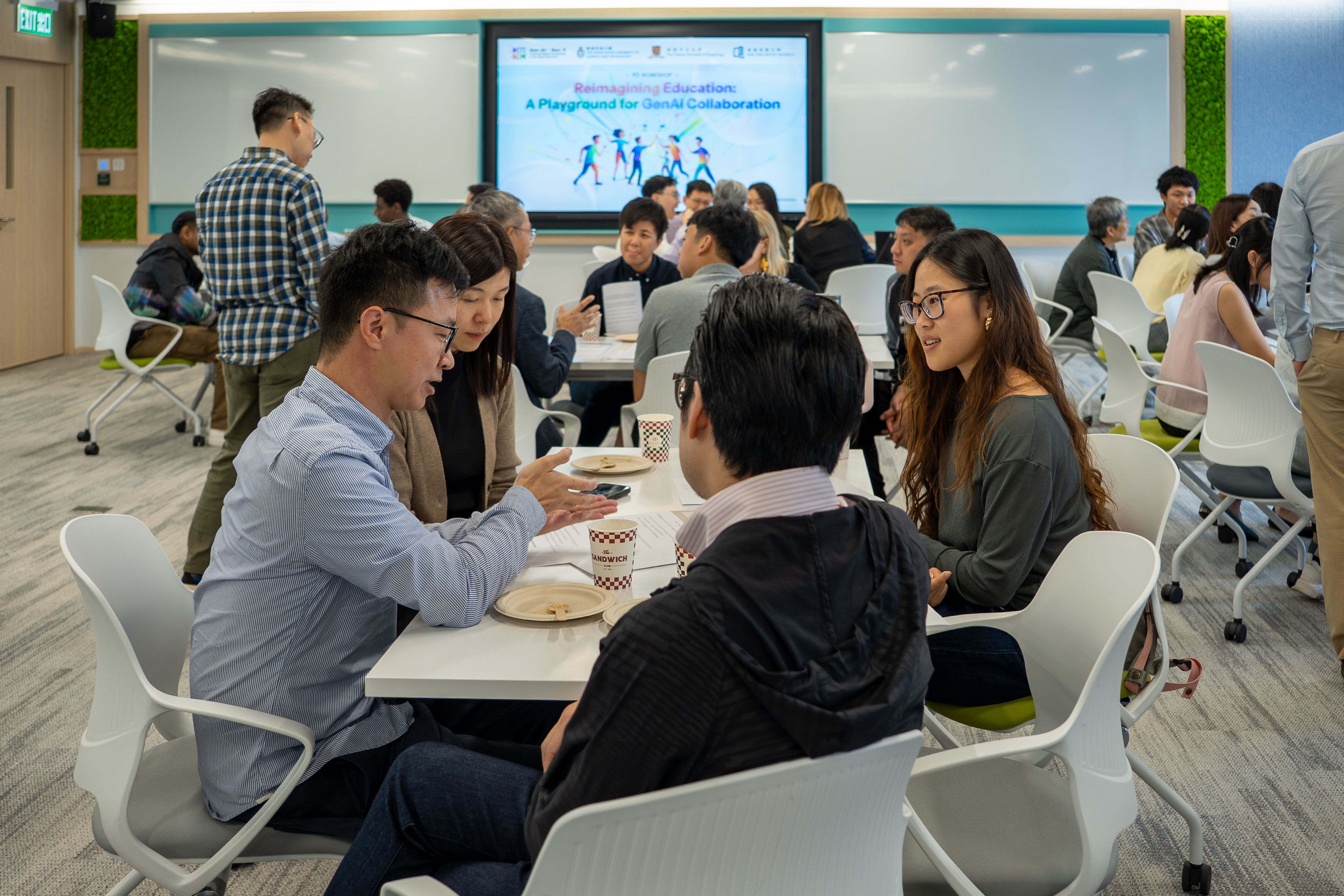
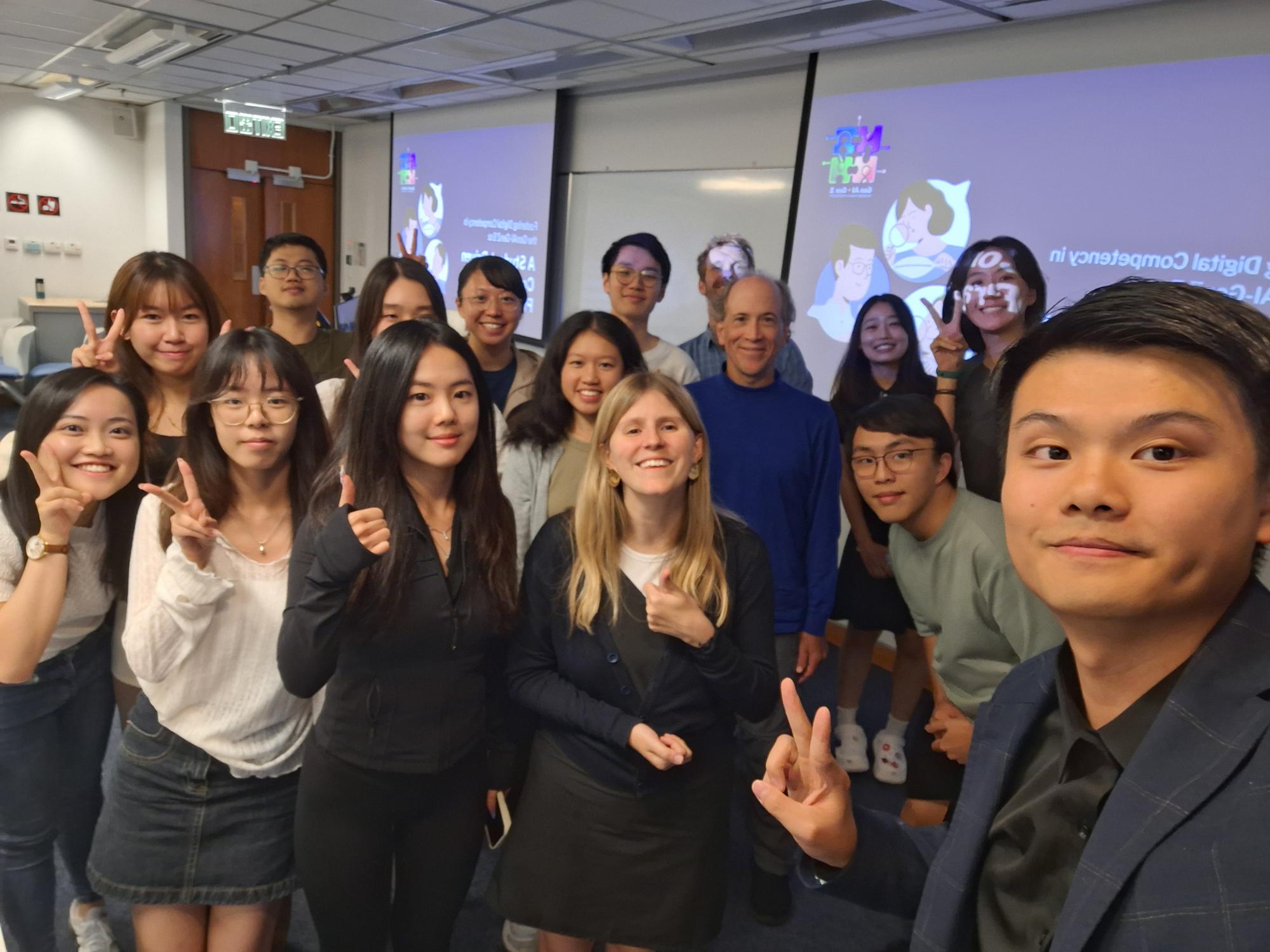
At HKUST, we are empowering students to take an active role in responding to the challenges of GenAI in education. Through a student-driven Community of Practice, students collaborate on micro-projects that examine the possibilities and challenges of using AI to enhance digital literacy, teaching, and learning.

With guidance from faculty and a commitment to ethical practices, this initiative fosters meaningful discussions and solutions that place students at the heart of decisions about their education in the age of AI.

learn more about....

Explore >

puzzle

The Community of Practice

Launched in Fall 2024, the Center for Education Innovation (CEI) at HKUST established this student-driven Community of Practice to empower students to take an active role in shaping how generative AI impacts their education. Too often, students are excluded from decisions about their learning experience. This initiative flips the narrative, giving students the opportunity to lead the way.

Working with a small core circle group of students, the CEI co-designed the structure and aims of this initiative before identifying faculty at HKUST who have demonstrated a strong interest in GenAI and in teaching innovation. With the support of these faculty mentors, students are designing and leading micro-projects that explore meaningful and ethical ways to integrate AI into teaching and learning. By fostering collaboration and shared ownership, the project seeks to uncover new insights into effective teaching practices and to thoughtfully adapt to education in the age of AI.

puzzle

Fund for Innovative Technology-in-Education

FITE

This project was awarded funding through UGC’s Fund for Innovation Technology-in-Education (FITE). The UGC launched this initiative “to support experimental and exploratory endeavors of universities in enhancing their teaching and learning.”

You can learn more about FITE and its aims

Explore >

puzzle puzzle

About our Project Leaders 

Leader Name

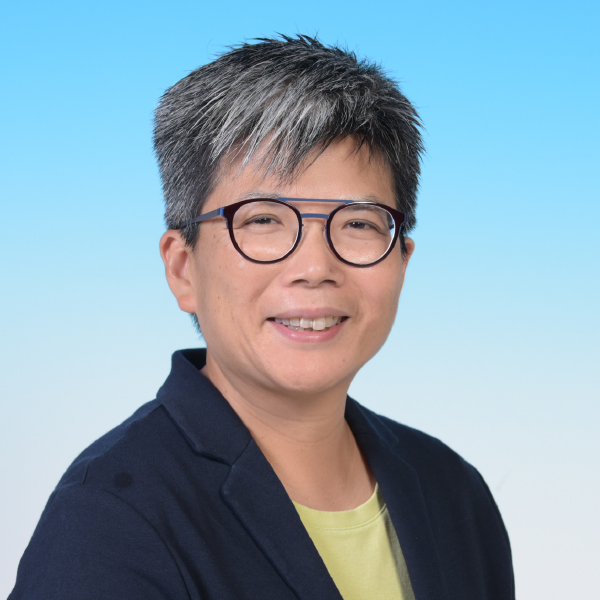
Dr. Beatrice Chu

Leader Name

Esme Anderson

puzzle

Explore the Projects

Fall 2024 – Spring 2025

Mingyu Li (SBM), Yu Guo (SBM)

Project Description

With the development of generative AI and advanced reasoning models, we as emerging scholars recognize AI’s transformative potential in research. Our observations reveal frequent AI usage among undergraduate and PhD students for academic tasks, yet most lack systematic understanding of how to maximize these tools’ capabilities.

This project employed a two-phase study:

1. Exploratory Phase: Surveyed 57 HKUST undergraduates and conducted in-depth interviews with 7 PhD students and 4 professors across multiple disciplines to map perceptions of AI use in research, learning, and teaching

2. Development Phase: Synthesized these pilot findings with existing literature to create a step-by-step protocol handbook for AI use in research (e.g., literature review).

The handbook equips early-career researchers with structured prompts and feedback mechanisms to ethically harness AI’s full analytical potential while maintaining scholarly rigor, addressing critical gaps identified in both our empirical data and theoretical frameworks.

Project Document >

Mingyu Li
Mingyu Li
Yu Guo
Yu Guo

Fall 2024 – Spring 2025

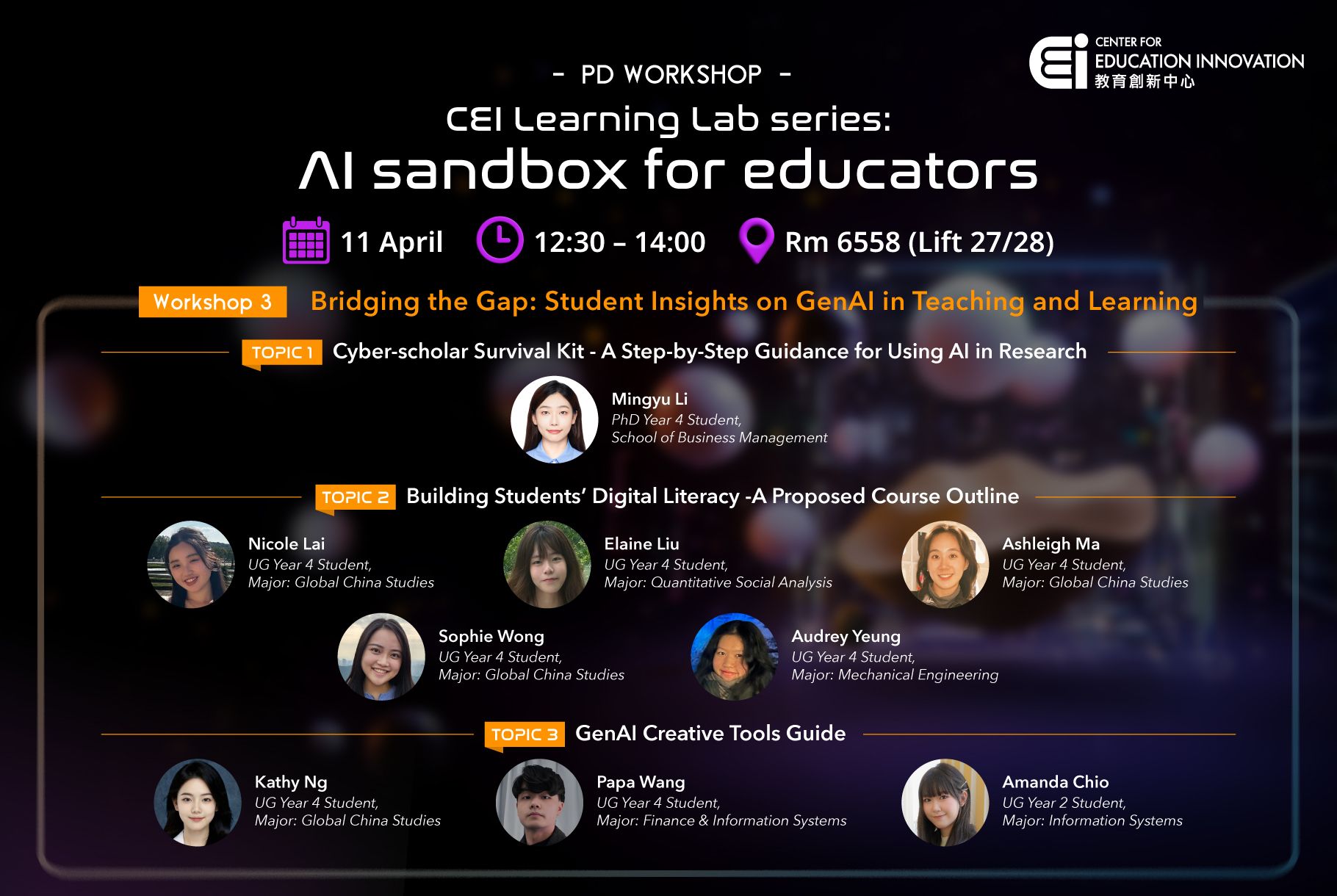
Chung Yee Nicole Lai (SHSS), Xiyun Elaine Liu (SHSS), Ashleigh Ying Wen Ma (SHSS), Wing Yan Sophie Wong (SHSS), Hoi Yi Audrey Yeung (ENG)

Project Description

We designed a course outline for a suggested common core course that offers a practical introduction to artificial intelligence (AI). Our proposed course not only explores the fundamentals of AI, its real-world applications (e.g. learning partner, workplace assistance), and ethical considerations but also provides hands-on experience with AI tools. By adopting an interdisciplinary approach, the course enables students from various fields to understand AI's impact on their specific domains and society as a whole. To deepen students’ comprehensive understanding of AI development, the course outline proposal covers the latest issues in AI technology, evaluates the benefits and limitations of AI tools and discuss topics regarding AI bias & hallucination and LLM overconfidence.

Marching towards the AI era, we hope to equip students with AI knowledge and foster their creativity and critical thinking capabilities to avoid their overreliance on AI.

LAI Chung Yee Nicole
LIU Xiyun Elaine
LIU Xiyun Elaine
MA Ying Wen Ashleigh
WONG Wing Yan Sophie
YEUNG Hoi Yi Audrey
YEUNG Hoi Yi Audrey

Fall 2024 – Spring 2025

Tsz Ching Kathy Ng (SHSS), Pak Hin Papa Wang (ISOM), Chau Lam Adrian Wong (MGMT), and Hio Tong Amanda Chio (MARK)

Project Description

We designed a creative GenAI tools guidebook to facilitate the learning journey for university students and enhance teaching practices. Acknowledging the rapidly evolving nature of generative AI, our guidebook provides structured guidance on text-to-image, text-to-video, and text-to-music technologies. Through detailed case studies, prompt engineering techniques, and ethical considerations, we emphasize the wise utilization of these powerful tools in academic settings. This resource represents our community's commitment to exploring more creative AI tools while fostering their responsible and effective use in educational environments.

Kathy Ng
Kathy Ng
Papa Wang
Papa Wang
Adrian Wong
Adrian Wong
Amanda Chio
Amanda Chio

Summer 2025 - Present

Mingyu Li (SBM), Xinjie Huang (SBM)

Project Description

This project addresses a critical gap: how students respond to faculty use of Generative AI (GenAI) in assessment. It investigates trust in faculty across various scenarios when it comes to evaluation: when both students and faculty have used GenAI in the assessment and marking, when neither have used it, when only students have used it for their assessments, and when only faculty have used to mark assessments. The study measures students' perceptions of faculty competence, confidence, satisfaction, and status.

Surveying 355 students at HKUST, early findings reveal that students view faculty who use AI for evaluation more negatively and are less likely to recommend their courses.

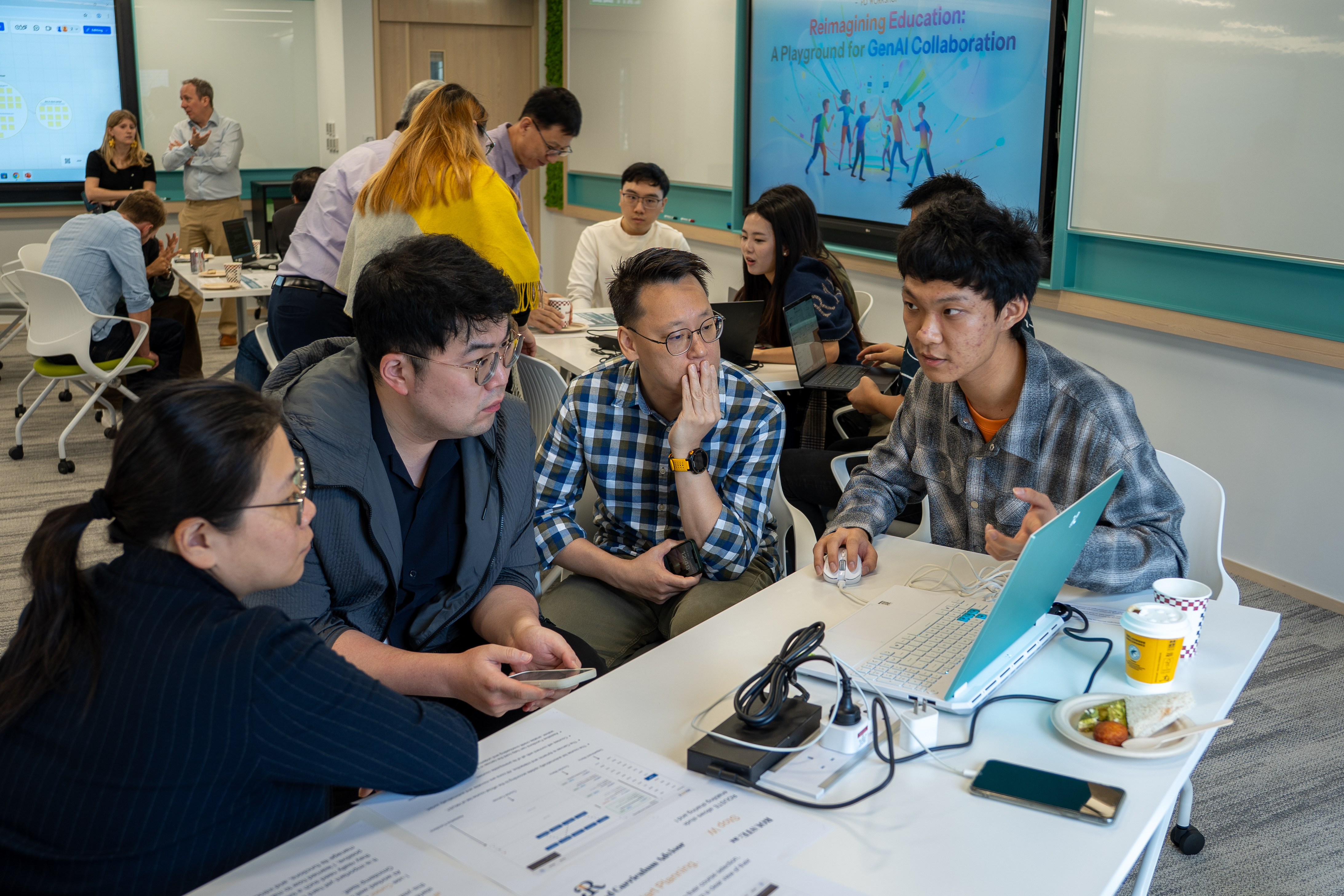
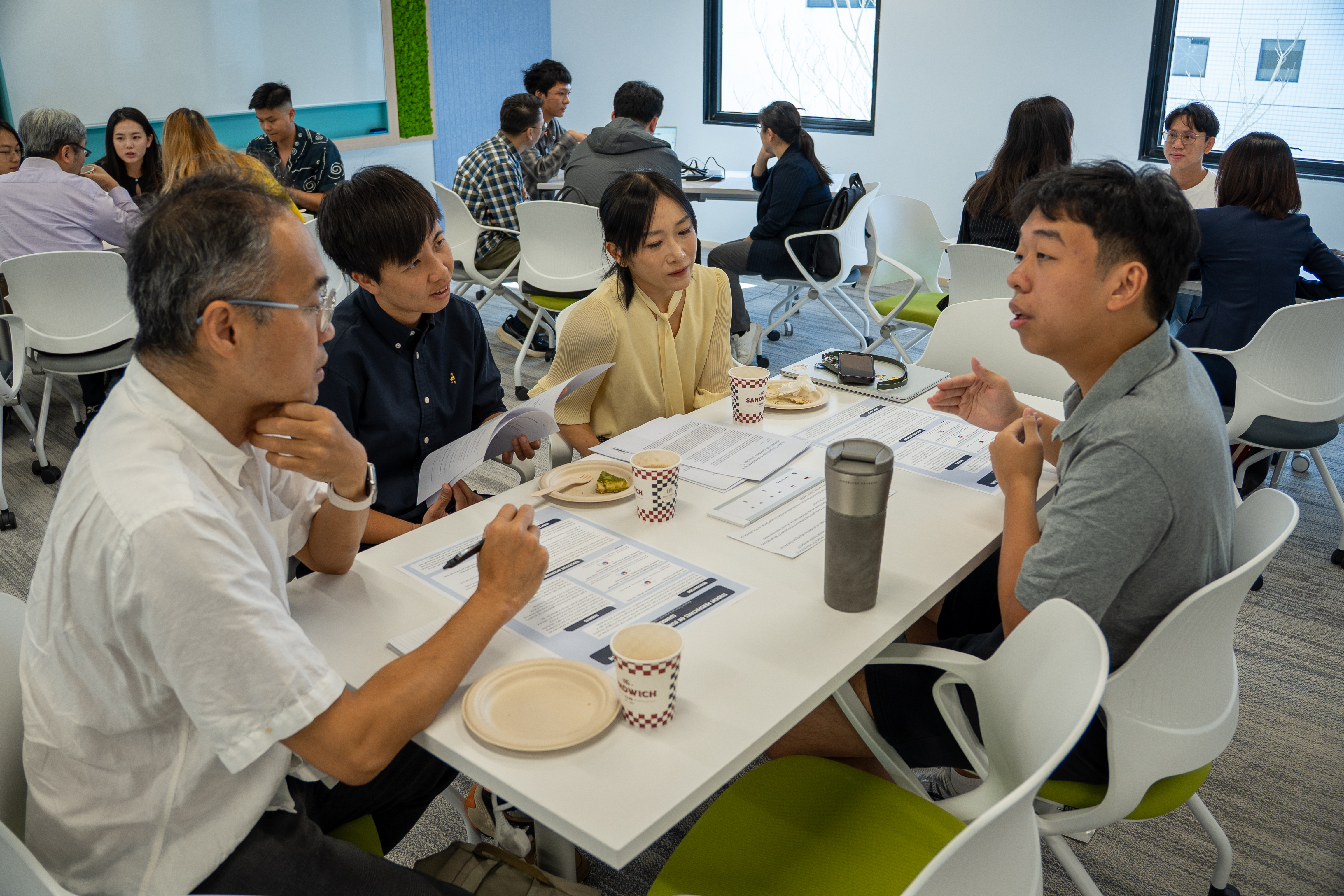
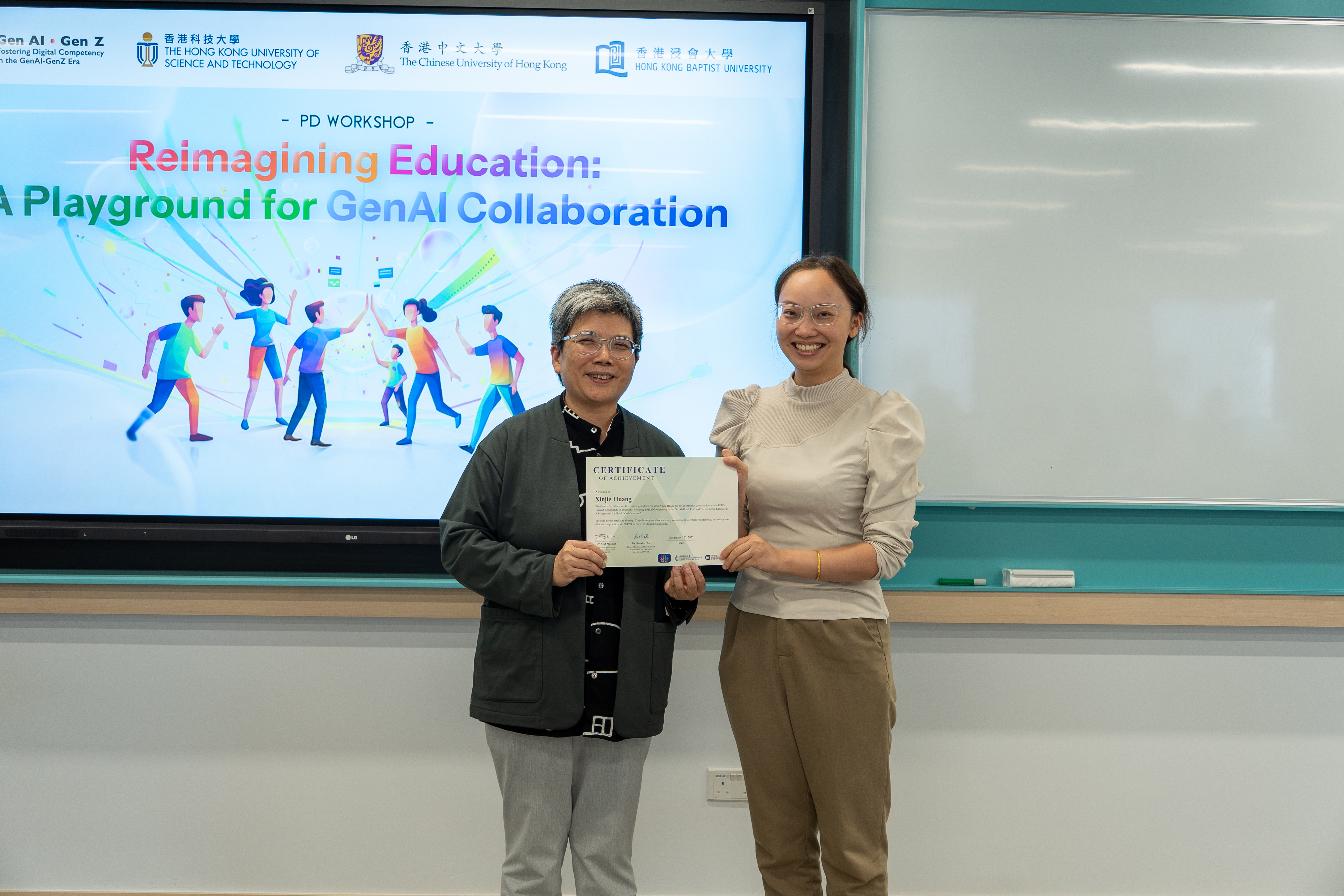
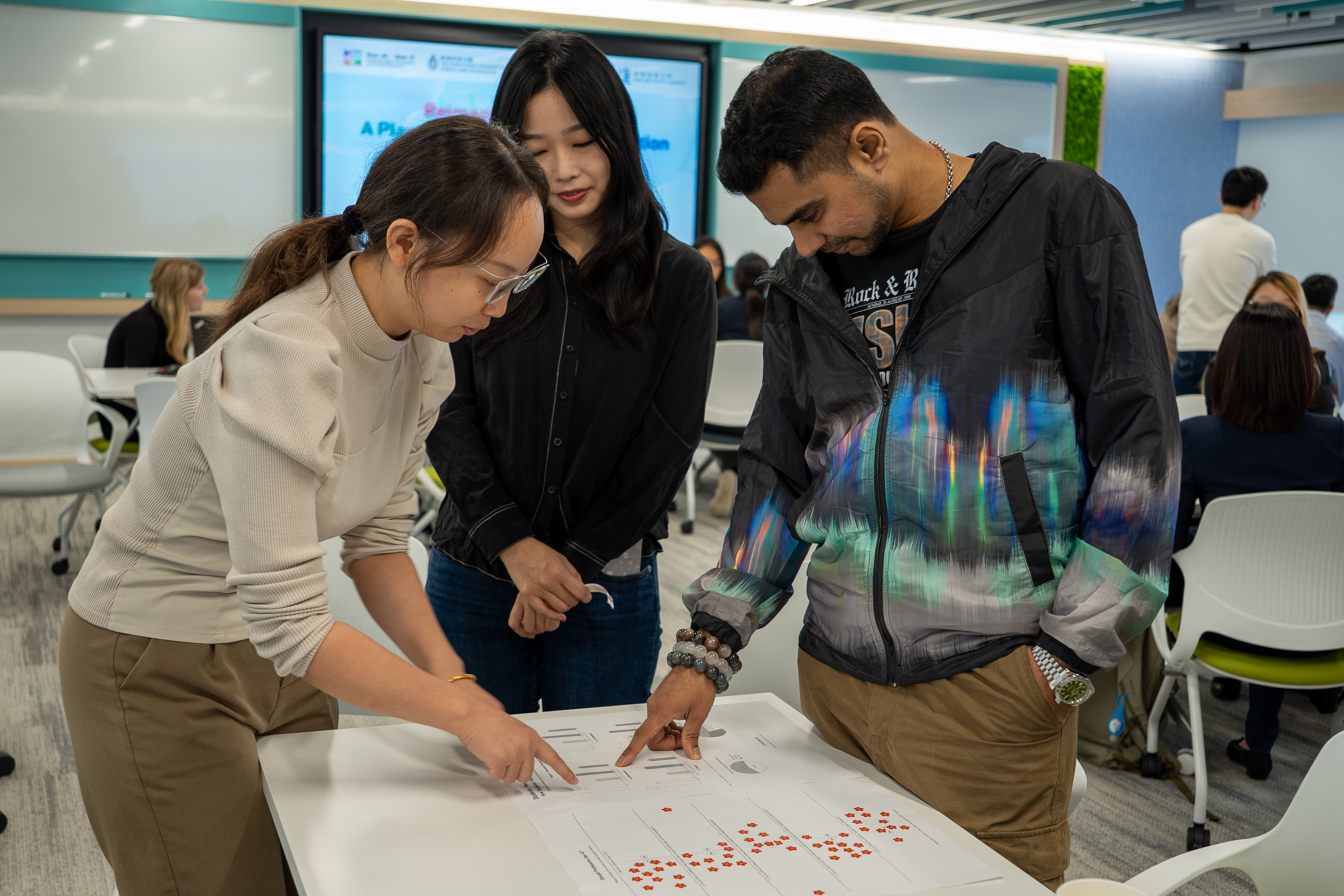
These initial findings were shared through a poster at a professional development workshop for staff at HKUST. The next phase of the project will focus on putting together the findings for future publication.

Mingyu Li
Mingyu Li
Xinjie (Monica) Huang
Xinjie (Monica)Huang

Summer 2025 - Present

Verrent Timotius Sung (SBM)

Project Description

This project explores the potential of students using Generative AI (GenAI) as a mental health counselor, based on insights from university students. With support from the CEI, an initial survey of 57 respondents examined students’ perspectives on mental health support services at HKUST, including their comfort levels and experiences with using GenAI for mental health counseling. Findings indicated that students are open to the idea of a GenAI counselor on campus and would consider using it if available. However, they also expressed concerns about bias and the potential for inaccurate responses. Open-ended feedback suggested that students might view GenAI as a potential "first stop" for support, followed by seeking help from an in-person counselor.

Additionally, three in-depth qualitative interviews were conducted with four students, revealing that cultural and family stigma around mental health may be a reason why some students turn to GenAI. Combined with the increasingly digital nature of society, these factors appear to be exacerbating mental health challenges for students at HKUST.

The next steps for the project include collaborating with the HKUST Counseling and Wellness Center to interpret the results and explore actionable solutions. These findings will also be shared at conferences and workshops.

Verrent Timotius Sung

Summer 2025 - Present

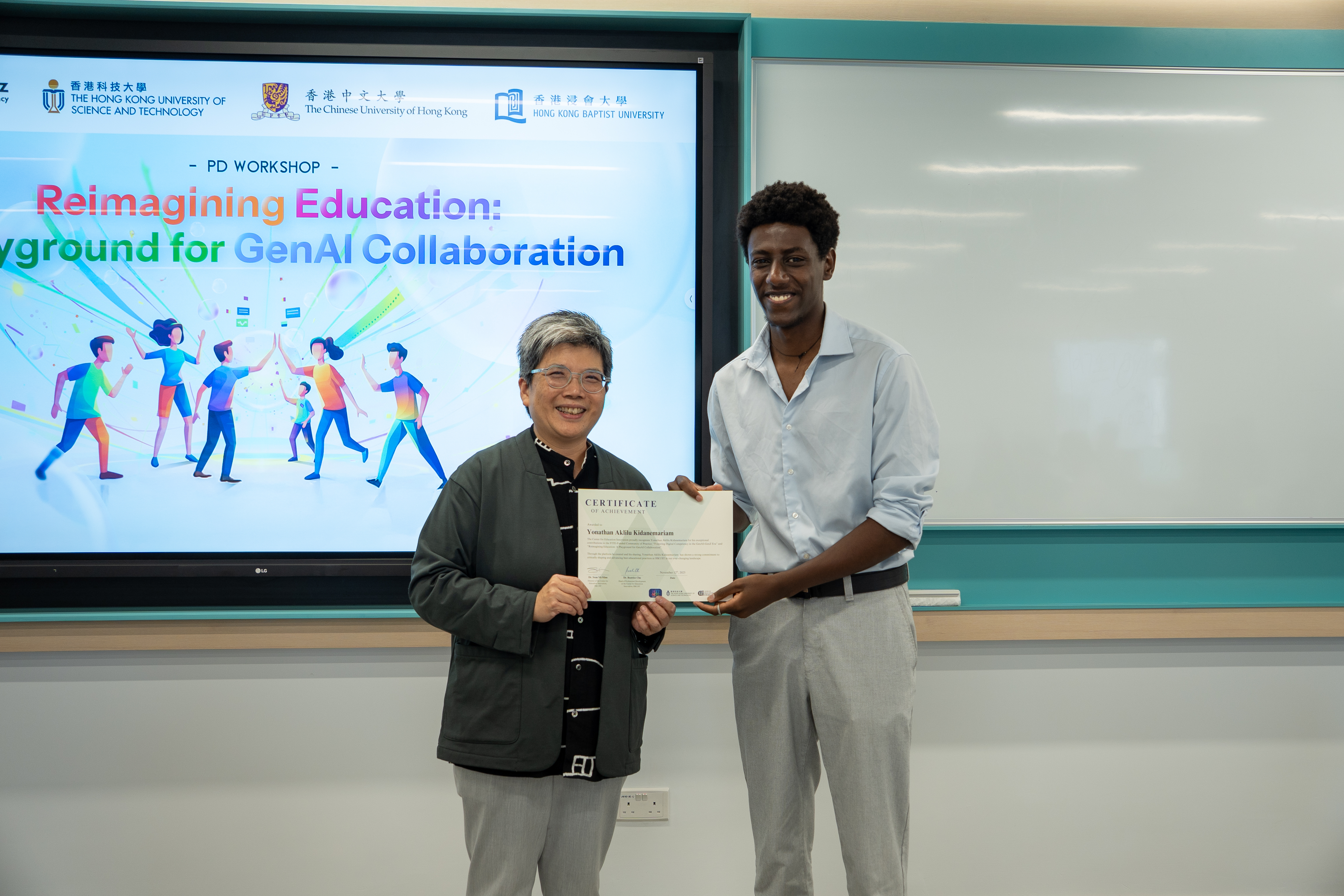
Yonathan Aklilu Kidanemariam (SBM)

Project Description

An increasing trend at HKUST is that faculty are eager to adopt emerging technologies but often lack the necessary skills to do so.

In response to this, Yonathan collaborated with Professor T. Bradford Bitterly from the Business School to develop a chatbot for courses that is both data-secure and pedagogically effective. For example, it has the ability to create negotiation activities for students. Leveraging his prior experience, Yonathan focused on implementing a private Retrieval-Augmented Generation (RAG) platform and built a secure, university-owned vector database to store proprietary data. This system allows faculty across the university to create multiple, specialized chatbots tailored to different departments and disciplines.

Through this pilot project, Yonathan and Professor Bitterly successfully applied for and were awarded a Teaching and Learning Innovation Project grant to further develop and expand the platform.

Yonathan Aklilu Kidanemariam

Summer 2025 - Present

Kathy Ng (SBM), Papa Wang (SBM)

Project Description

Metaprint worked closely with Professor Marshal Yuanshuai Liu, Associate Professor of Engineer Education at HKUST. After in-depth interviews with him about his course needs, a review of his course content, and systematic content categorization, Kathy and Papa created an AI Agent for Professor Liu’s course HKUST CENG1800 Food Science. This agent has been able to provide 24/7 learning support and personalized assistance for students ranging from concept clarification to laboratory preparation guidance as well as helped Professor Liu in developing questions and practice papers for students.

The finding of this project so far is that AI agents can play a complementary role to faculty, but that continuous review is needed as is faculty judgement in ascertaining whether learning needs are being met. Similarly, students are encouraged to balance AI support with traditional learning methods while maintaining academic integrity standards.

The next step of this project is developing a similar tool for a social science course to compare AI Agent effectiveness across different disciplines.

Kathy Ng
Kathy Ng
Papa Wang
Papa Wang

Fall 2025 - Present

Jifei Yang (SENG)

Project Description

The idea for ROUSTE originated from Jifei's personal experience having difficulty navigating course selection and overlooking a co-requisite for his degree.

This experience motivated Jifei to create a tool that visualizes all available courses for students to prevent similar situations. The interactive interface allows students to basically map out their entire schedule and experience at HKUST, with more transparency and understanding of pre-requisite courses, requisites for graduation, and areas like credit limits and requirements. He built the tool using Cursor as the coding platform as well as a template called Omnitemp, which he developed in his secondary school.

The next step for this project is to scale it up, place it on the HKUST server, and to seek partnership with the Academic Registry Office to utilize the platform with our students. The platform also has the potential to map learning journeys in terms of skills and competencies and this too will be further explored.

Jifei Yang
Jifei Yang

Fall 2025 - Winter 2025

Thien Zhi Khoo (SENG)

Project Description

As a final-year student, Thien Zhi has faced firsthand the challenges for fresh graduates in the current job market. Not only are our fresh graduates working to apply for jobs, but they can be up against other applicants who purchase interview preparation materials online through platforms like Taobao, and other applications who may have connections, alumni, or other referrals to secure interviews.

A year ago, he experienced these struggles firsthand, spending countless hours applying for over 400 jobs, with most companies failing to respond. Motivated by this experience, he decided to leverage his technical skills to automate the job application process. This included developing tools for scraping job listings, generating personalized cover letters, and automating email applications. He is now working on building a website where students can log in and quickly send personalized job applications automatically, saving time and effort in their job search. Through his platform, he has sent 500 emails and received 50 interview invitations.

Thien Zhi Khoo
Thien Zhi Khoo

Fall 2025 - Present

Yen Wenhui Whitney (SBM)

Project Description

The newest addition to the CoP, Whitney’s project explores the potential risks of over-reliance on GenAI for tasks such as ideation, drafting, and problem-solving. She is increasingly concerned that depending too much on AI is eroding critical thinking, patience for deep work, and the ability to brainstorm independently. Whtiney acknowledges feeling this herself, noting that her first instinct has shifted to “ask ChatGPT” rather than grappling with a blank page until inspiration strikes.

Her proposed solution is Unplugged Learning: deliberate, structured moments - whether a class, a day, or even an entire week - where laptops remain closed, and GenAI tools are off-limits. These sessions would focus on real-time debates, pen-and-paper concept mapping, slow reading, and group problem-solving using traditional methods. The goal is not to reject AI, but to strengthen human cognitive abilities to ensure we remain capable of leading and directing AI effectively.

The next phase of her project will involve gathering student opinions on this approach, piloting an “unplugged” week in a course or tutorial, and collecting feedback to refine the concept further.

Yen Wenhui Whitney
Yen Wenhui Whitney
Summer 2025 – Present

Chow Chung Yan, Pandora (SENG)

Project Description

Given her interest in transforming Large Language Models (LLMs) into practical tools, Pandora has developed a revision platform designed to assist students during the exam period. Over several months, she created this tool specifically for the content of COMP2012 and COMP3511. Leveraging the HKUST API, her expertise in platform development and AI from her degree, as well as her in-depth knowledge of these courses as a former student, she refined the platform over five months to improve the accuracy of its responses.

For the next stage of the project, a professor from the respective courses has agreed to test the tool and provide further feedback. This input will help refine the platform further, with the potential for it to be implemented directly into the course in the future.

You can find this platform here: https://llm-ppq-generation.vercel.app/

Chow Chung Yan, Pandora

Fall 2024 – Spring 2025

Ashley Chen (University of Texas)

Project Description

Ashley recognized that ethics is an increasingly important concern that is often underaddressed both in the professional world and in education.

In response, she proposed an interactive, live forum where students could share their concerns and experiences with ethical considerations surrounding the use of AI in education. The forum also provides a space for faculty to later share their perspectives, with the ultimate goal of shaping best practices for the critical and effective use of Generative AI (GenAI) through a dialogic interactive space.

As part of the project, she gathered student perspectives at HKUST, culminating in the creation of a Miro board that captures initial student reflections on key areas of ethical concern.

Having finished this project, the next phase of this project involves the CEI expanding the forum at HKUST to engage more faculty members and students, encouraging them to contribute their ideas and help develop a more dialogic online platform to discuss emerging ethical issues.

You can find the Miro board here: https://miro.com/app/board/uXjVJu8IvCo=

image image image image image image image image image image image image

JOIN US!

Any questions or remarks? Just write us a message!

decoration
decoration